Replacing an Aging AC System in Glendale
If you live in Glendale and your air conditioner is showing its age, you are not imagining the strain. Nearby Pasadena climate data gives a pretty clear picture of what cooling systems in this part of Los Angeles County are up against. Average highs run about 89.1°F in July and 91.3°F in August, and those months bring a lot of truly hot days, not just warm afternoons. July averages 15.4 days at or above 90°F, and August averages 19.4.
That matters because old equipment rarely fails on a mild spring day. It usually starts acting up during the exact stretch when you need it most, when the house holds heat late into the evening and the system runs for long cycles trying to catch up. I have seen homeowners tolerate a struggling unit for years, topping off repairs here and there, then hit a breaking point during a heat wave. At that stage, the question is no longer whether the system is old. The real question is whether it still makes sense to keep it alive.
Replacing an aging AC system is not only about buying a new box with a higher efficiency rating. The best outcomes usually come from stepping back and asking a few practical questions about comfort, reliability, installation quality, and whether a straight AC replacement is still the smartest option.
When repair stops being the smart move
Most people do not replace an air conditioner because of age alone. They replace it because age starts showing up in ways that affect daily life. The home has rooms that never cool evenly. Utility bills creep up even though habits have not changed much. Service calls HVAC contractor become more frequent. The system starts and stops in ways that feel abrupt, or it runs and runs without quite getting the house comfortable.
Those are not random annoyances. They are some of the same warning signs that energy efficiency programs point to when they say it may be time to replace HVAC equipment, especially once the system is more than 10 years old. Frequent repairs, rising energy bills, and persistent comfort problems are often the tipping points.
The hard part is that there is no universal age where every unit should be replaced. I would be skeptical of anyone who tries to turn that into a one-size-fits-all rule. Two systems installed in the same year can age very differently depending on how well they were sized, how well the ducts were sealed, how often they were serviced, and how hard they have had to work through long hot spells.
A homeowner with a 12-year-old system that still cools evenly and has had very few repair issues may reasonably keep going. A homeowner with a 10-year-old unit that has already needed repeated service and still leaves bedrooms hot at night is looking at a different situation entirely.
Glendale heat exposes weaknesses fast
Older AC systems often limp along during moderate weather and then unravel when summer settles in. That pattern makes perfect sense in this region. When you have many days at or above 90°F, weaknesses get magnified. A system that is slightly undersized, poorly charged, or connected to leaky ducts may still deliver passable comfort in May. In late July or August, the same setup can feel hopeless.
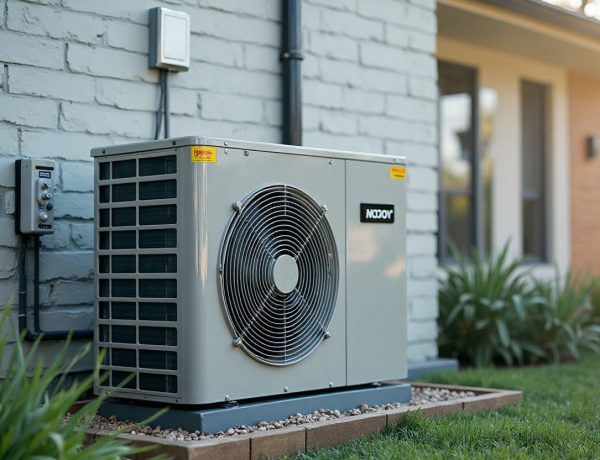
That is why replacing the equipment alone does not always solve the underlying problem. A new condenser paired with old duct issues or poor system matching can leave people disappointed. They expected a dramatic improvement and instead got a more expensive version of the same uneven comfort.
I have had conversations with homeowners who assumed their old unit was simply "too small" because the house stayed warm on hot afternoons. Sometimes that is true. Sometimes it is the exact opposite. Oversized systems can short-cycle, which means they turn on and off too quickly. That can shorten equipment life and create uneven cooling. Installation quality matters just as much as the model number on the brochure.
Bigger is not better
This point is worth slowing down for, because it trips up a lot of people. When your old AC struggles, it is tempting to think the answer is to go bigger. More tonnage, more airflow, more cooling power. That logic feels intuitive, but it often creates new problems.
Energy guidance from both the Department of Energy and ENERGY STAR is clear that oversized systems can reduce efficiency, hurt comfort, and shorten equipment life. Short-cycling is one of the main reasons. The system blasts on, cools the thermostat area quickly, and shuts off before the rest of the home settles into a balanced temperature. The result can be cool air near the return and warm pockets elsewhere, especially in homes with challenging layouts.
A proper load calculation matters. So does making sure the equipment is correctly matched and the ducts are in good shape. Those steps are less flashy than talking about high efficiency equipment, but in real homes they often determine whether the replacement feels excellent or merely acceptable.
The case for looking at a heat pump instead of another traditional AC
A lot of homeowners still approach replacement as if there are only two choices: repair the old air conditioner or install another air conditioner just like it. That is not the whole picture anymore.
Modern air-source heat pumps can cool homes efficiently in summer and are considered an energy-efficient alternative to traditional AC and furnace setups. In many cases, a central air conditioner can be replaced with a heat pump for a modest additional cost. Depending on the home and system design, that can also open the door to eliminating or downsizing a furnace.
This is one of the more important shifts in residential HVAC over the last several years. If your current system is aging out, it makes sense to at least compare a straight AC replacement with a heat pump option. Even if you ultimately stay with traditional AC, you will be making an informed decision rather than defaulting to what has always been there.
That comparison becomes especially useful when the furnace is also older. If both pieces of equipment are approaching the point where replacement is likely, it may be worth examining whether one coordinated upgrade makes more sense than replacing components in stages.
What a good replacement conversation should cover
A good contractor visit should feel more like an evaluation than a sales sprint. If the conversation jumps straight to brand names and price without addressing sizing, duct condition, and comfort complaints, that is usually a sign the process is too shallow.
Here are five things worth discussing before you commit:
- The age and repair history of the current equipment, including whether the recent issues look isolated or part of a trend.
- A load calculation to size the replacement correctly, rather than basing the new system only on the old unit’s capacity.
- Whether the existing duct system is sealed well enough to support good performance.
- Whether a heat pump makes sense compared with replacing only the AC.
- Installation details such as proper refrigerant charge and matched equipment, since those directly affect efficiency and reliability.
That list is short, but it gets to the heart of whether the project is being handled thoughtfully. A surprisingly large share of comfort complaints after replacement can be traced back to things that were skipped at the planning stage.
Installation quality is where money is won or lost
Homeowners tend to focus on equipment ratings because those are easy to compare. Installation quality is harder to see, yet it is often more important.
The Department of Energy warns that oversized systems, improper charging, and leaky ducts can all reduce efficiency, cause discomfort, and shorten equipment life. ENERGY STAR echoes that point and adds that properly installed high-efficiency systems can save up to 20 percent on heating and cooling costs. The phrase properly installed does a lot of work there. You do not get those gains automatically by buying expensive equipment.
Improper charging is a good example. Most homeowners will never see it directly, but they will feel the consequences. A system with the wrong refrigerant charge may use more energy and face a higher risk of failure. A duct system that leaks can dump conditioned air where it does little good, while the rooms you care about remain stuffy. A unit that is too large can satisfy the thermostat quickly without truly solving the comfort problem.
This is why the cheapest proposal is not always the least expensive path. If a lower bid leaves out load calculations, glosses over duct issues, or treats setup as an afterthought, any upfront savings can disappear into mediocre performance and future service calls.
The repair or replace math is not only about dollars
People often want a neat rule, something like "if the repair is more than X percent of replacement cost, replace it." Real life is messier than that.
There is the direct repair cost, of course, but there is also timing, stress, comfort, and risk. If your AC quits during a brutal stretch of summer, you may be forced into a rushed decision. That is when people pay more, accept equipment they have not fully considered, or end up relying on emergency HVAC services because the house becomes difficult to live in.
Planning a replacement before total failure usually gives you better options. You can compare standard AC and heat pump proposals. You can ask more careful questions about sizing and duct performance. You can schedule installation before the busiest emergency HVAC periods. You are not trying to solve everything while the indoor temperature climbs and everyone in the house is miserable.
I have seen homeowners spend several seasons trying to avoid replacement by authorizing one more repair each summer. Sometimes that works out. Sometimes the unit survives long enough for a more strategic replacement in the off-season. But just as often, the repairs buy very little time, and the final failure lands right in the middle of peak demand. That is the costly version of waiting.
Why some new systems disappoint
A replacement should feel noticeably better. Not perfect in every corner of every home, but better. More even temperatures. Less strain. More confidence that the system can handle a hot week without drama.
When it does not, the problem is often not that "new systems aren’t built like they used to be." That line gets repeated a lot, but it can distract from the real issue. More often, disappointment comes from poor design choices or incomplete installation work. An oversized system can short-cycle. A well-rated unit connected to leaky ducts can still waste energy. Equipment that is not matched properly may not perform as intended. Refrigerant that is not charged correctly can undermine efficiency from day one.
This is also why replacing an outdoor unit alone can be more complicated than it sounds. HVAC systems work as systems. Matching matters. Shortcuts tend to show up later as comfort issues, higher operating costs, or service headaches.
Timing your replacement before it becomes an emergency
Nobody can guarantee when an old AC will fail, but there are usually warning signs. If your unit is past the 10-year mark, needs regular repair, and still leaves parts of the house too warm, that is not a minor inconvenience. It is a signal that you should start evaluating replacement on your terms rather than waiting for a breakdown to dictate the schedule.
That is especially relevant in an area that sees many 90-plus degree days in mid Go to the website to late summer. Heavy demand affects homeowners and contractors alike. Crews get busier, equipment lead times can become more frustrating, and the pressure to make a fast choice goes up. Once a system is down during a heat event, the search often shifts from "what is best for this home?" To "what can be installed soonest?"
There is a place for emergency HVAC response. When a system dies unexpectedly, emergency HVAC services can be a real lifesaver. But those calls are best treated as backup, not strategy. If you already know your system is aging and unreliable, replacing it before the hottest part of the season is usually the calmer path.
How homeowners can prepare for a smoother replacement
You do not need to become an HVAC expert to make a good decision. You just need a clear view of how the current system has been performing and what you want to improve.
A little preparation goes a long way:
- Write down the rooms that run too hot or too cold and when the problem is most noticeable.
- Gather a rough timeline of past repairs, especially recurring issues.
- Ask whether the proposal includes load calculations and a look at duct condition.
- Compare a traditional AC replacement with a heat pump option if you have central air now.
- Plan before peak summer if the existing system is already showing its age.
That information makes the contractor’s evaluation more useful, and it helps keep the conversation anchored in comfort and performance instead of drifting into vague promises.
A replacement should solve a problem, not just swap equipment
The best AC replacement projects have a certain kind of clarity. Everyone involved understands what the old system was failing to do. Maybe it was expensive to keep repairing. Maybe it could not keep up on the hottest days. Maybe the back bedrooms never got comfortable. Maybe the homeowner wanted to look seriously at a heat pump while the timing still allowed for a thoughtful choice.
Once that problem is clearly defined, the replacement path becomes easier to judge. A proposal is not good because it sounds advanced or because the tonnage is larger. It is good if it addresses the actual issue through proper sizing, matched equipment, duct attention, and careful installation.
That can sound less exciting than shopping features, but in practice it is what determines whether you are pleased with the result two summers from now.
The practical bottom line for Glendale homeowners
If your AC is aging, repairs are stacking up, and your home still does not stay consistently comfortable, replacement is worth serious consideration. Nearby climate patterns show why cooling systems in this area work hard for long stretches, and that kind of demand tends to expose weak equipment and weak installation alike.
A smart replacement decision usually comes down to a few grounded principles. Do not assume bigger is better. Do not judge the job by equipment alone. Consider whether a heat pump belongs in the conversation. Treat ductwork, system matching, and refrigerant charge as core parts of performance, not side notes. And if your current setup is already wobbling, do not wait for the hottest week of the year to make the call.
An aging AC system can often give you one more summer, until it does not. Replacing it thoughtfully, before you are forced into emergency mode, is often the difference between a project that feels expensive and one that feels worthwhile.